We just couldn’t do it. In all of our planning and preparation, there was one thing our list that didn’t get done. It wasn’t for lack of trying—it was a lack of faith.
As many of you know, our family of four is headed to Uganda for the summer. You can read all of the updates about our trip here. The items on our to-do list are legion. There are all the things we need to pack and prepare to be in a far-off land for the better part of two months. Quick drying towels. Battery backups. Mosquito repellant. Then there are the things that we need to tie up and tidy before we leave our house and home behind. Empty the freezer. Pause our car insurance. Text dad to cut the grass.
One thing in particular that we wanted to do in light of leaving our house this year was to let our garden rest. There’s a generational practice that can be traced back all the way to the people of Israel in the land of Sinai of letting the soil rest every seven years. The Lord spoke to Moses, saying “When you enter the land which I am going to give you, the land will observe a Sabbath to God. Sow your fields, prune your vineyards, and take in your harvests for six years. But the seventh year the land will take a Sabbath of complete and total rest, a Sabbath to God; you will not sow your fields or prune your vineyards. Don’t reap what grows of itself; don’t harvest the grapes of your untended vines. The land gets a year of complete and total rest.”
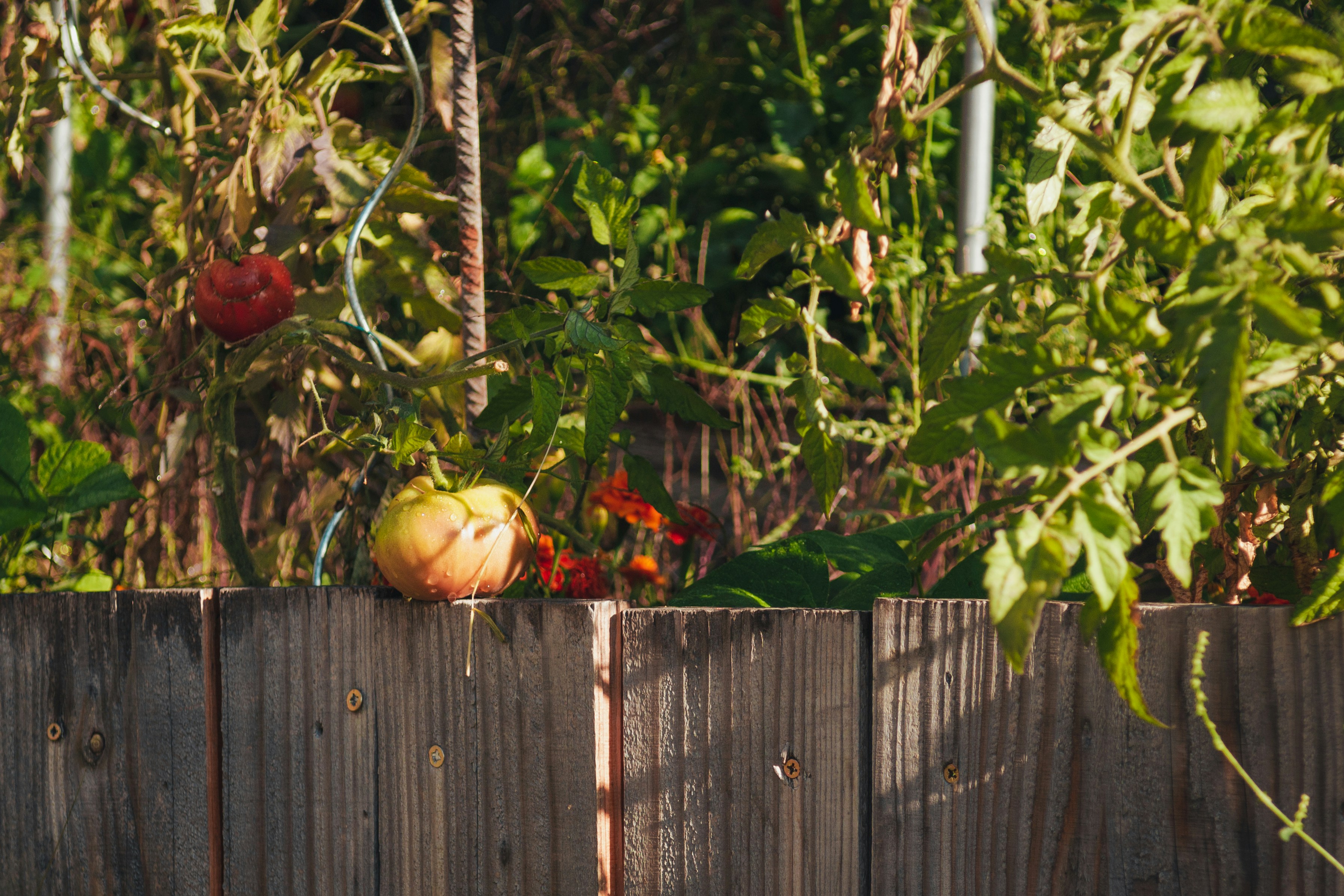
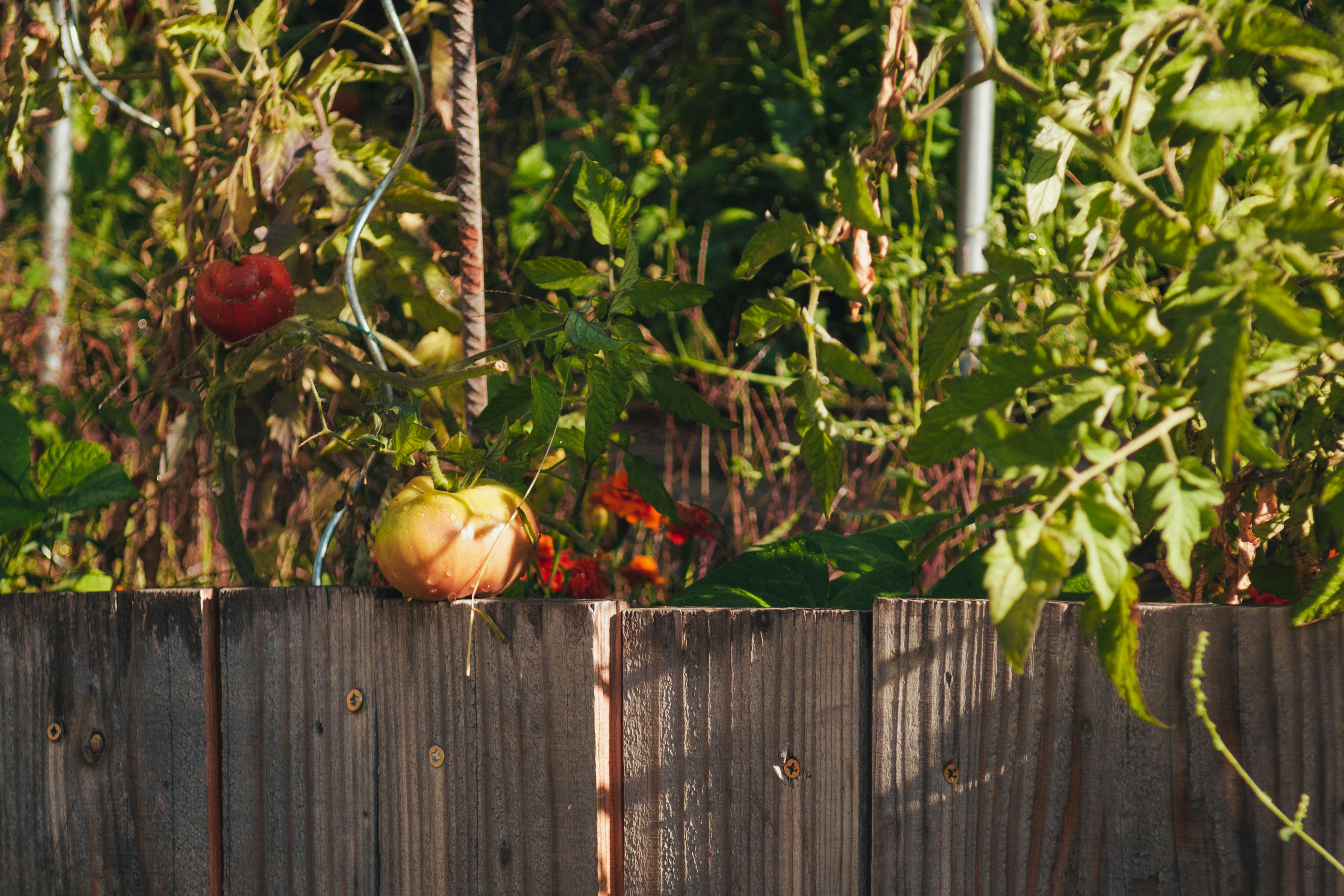
We’ve owned our home for 6 years, and in that time we have thoroughly sown and reaped. Rebecca was in the backyard plotting and plowing our growing space before we even moved a single piece of furniture into the house. Our garden has fed us well, taught us plenty, and been a source of joy and nourishment for many people in our community.
We know the law of the Lord, and we see how it echos the natural laws of the land. The ground needs to rest. We know this. Since we are going to be away for the summer, we chose this year to be our soil’s Sabbath.
And we couldn’t do it.
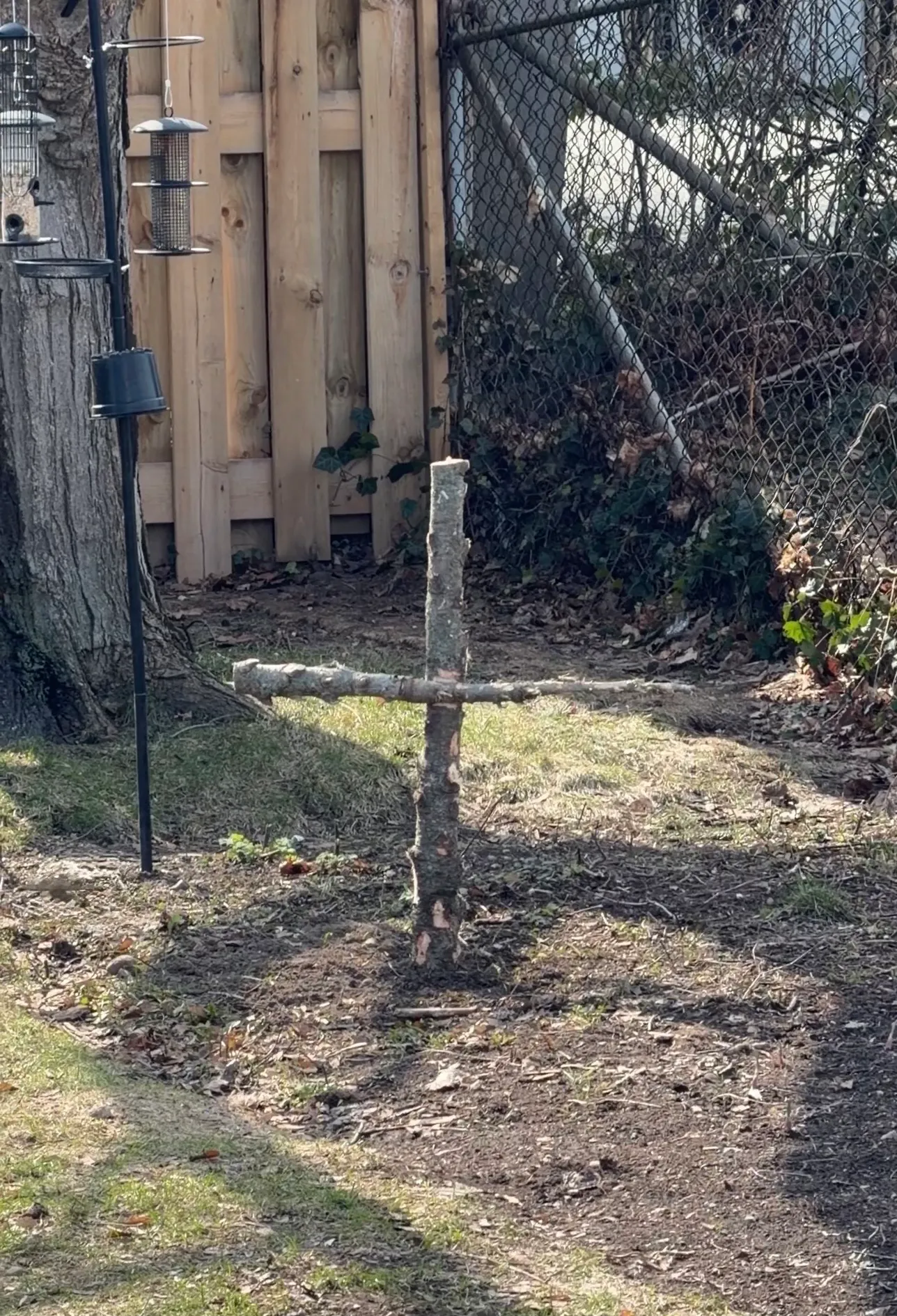
Our garden isn’t full by any means, but we just had to sneak a few radish and sweet pea seeds into the soil to squeeze in an early harvest before we left. Between the two of us, we just couldn’t find the Christian courage to let it go and leave it to the Lord.
It’s easy to call it the plague of our times—the false sense that we can provide everything we need for ourselves, or the belief that no one is going to sustain our lives if we’re not the ones to do it—but it’s truthfully the plague of our kind. We trust our human selves more than we trust our creator to sustain, provide, give life, and assure safety, and as a result we end taking hold of things that were never ours to handle.
The real kicker is that God’s instruction to Moses had a provision clause. “But you can eat from what the land volunteers during the Sabbath year—you and your men and women servants, your hired hands, and the foreigners who live in the country, and, of course, also your livestock and the wild animals in the land can eat from it. Whatever the land volunteers of itself can be eaten.”
Honouring the Sabbath is an exercise in many things, but in this case it’s a practice of faith. Do I believe that whatever God gives will be enough?
We’re still learning to trust God, evidently. And our next chance won’t just be six years from now—I’ll likely have an opportunity to prove where I’ve put my faith six seconds from now. And then six minutes later.
Each and every moment is an opportunity to release my grip on the things I want to control and relax into faith in the One who is the giver of all life.
Grace and peace,
Pastor Alexander